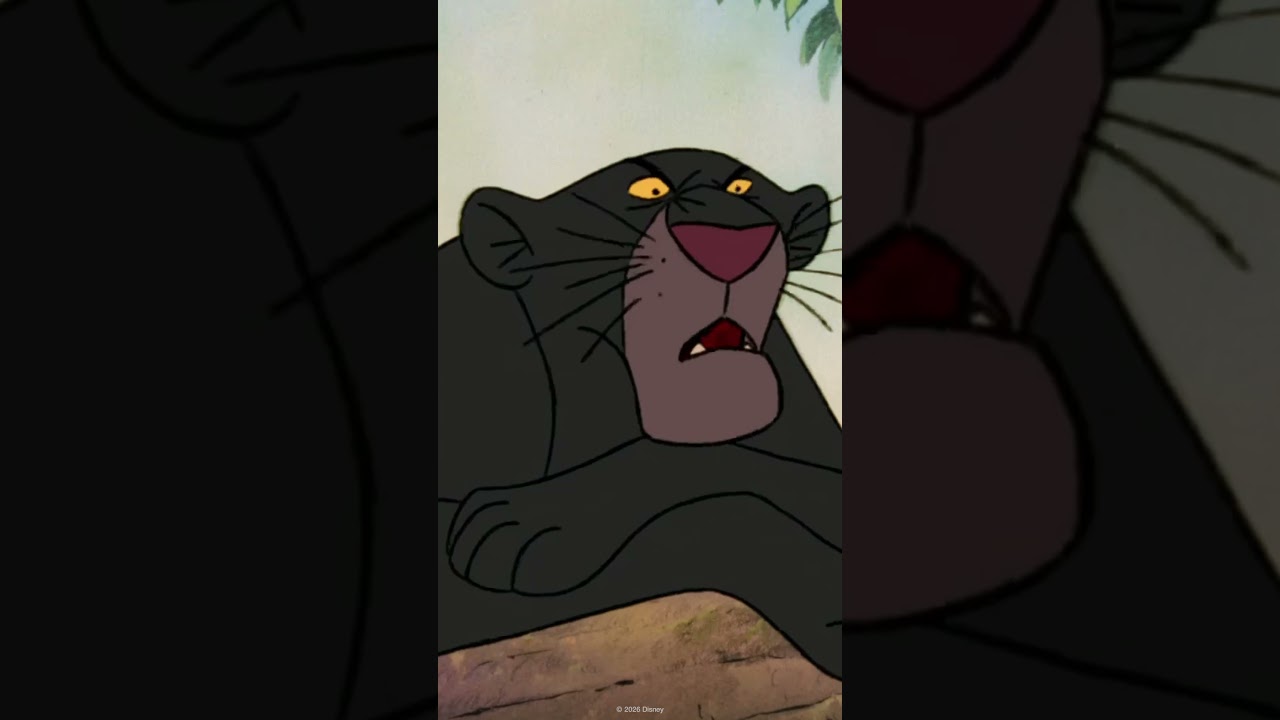
Learn Spanish with The Jungle Book: Baloo's "Busca lo Más Vital" Song | Short Listening Practice (Español Latino)
Improve your Spanish listening skills naturally using authentic movie songs from Disney's The Jungle Book. This iconic "Busca lo Más Vital" (The Bare Necessities) song includes interactive subtitles, vocabulary, grammar notes and exercises perfect for beginner learners (A1 level).
What You'll Learn
- Basic Spanish expressions used in everyday conversations
- How native speakers give advice and express contentment
- Useful vocabulary for beginner learners (A1 level)
- Listening comprehension practice with real-time subtitles
📖 How to Study With This Lesson
- Watch with subtitles: Watch the song with Spanish and English subtitles to understand the context.
- Watch without subtitles: Cover the subtitles or minimize the video to test your listening comprehension.
- Repeat the sentences: Pause the video and repeat each sentence out loud to improve pronunciation.
- Download the PDF: Get the full transcript and translation for offline study and review.
📝 Scene Summary
🇪🇸 Spanish
En esta icónica canción de El Libro de la Selva, Baloo le enseña a Mowgli la filosofía de la vida simple y sin preocupaciones. Baloo comienza: "Mowgli, mira, fíjate bien, amiguito. Todo lo que tienes que hacer es..." Luego canta: "Busca lo más vital, no más. Lo que es necesidad, no más. Y olvídate de la preocupación." Continúa: "Tan solo lo muy esencial para vivir sin batallar. Y la naturaleza te lo da." Luego describe su vida feliz: "Doquiera que vaya, doquiera que estoy. Soy oso dichoso, oso feliz." Y menciona los placeres simples: "La abeja zumba siempre así porque hace miel solo para mí. Y las hormigas encuentro bien, y saboreo por lo menos cien... del primer lengüetazo." La canción captura perfectamente la filosofía de "vive y deja vivir" y la importancia de apreciar las cosas simples de la vida.
🇬🇧 English
In this iconic song from The Jungle Book, Baloo teaches Mowgli the philosophy of simple, worry-free living. Baloo begins: "Mowgli, look, pay close attention, little friend. All you have to do is..." Then he sings: "Look for the bare necessities, no more. Just what you need, nothing more. And forget about your worries." He continues: "Just the bare essentials to live without a struggle. And nature provides it for you." Then he describes his happy life: "Wherever I go, wherever I roam. I'm a blissful bear, a happy bear." And he mentions the simple pleasures: "The bee always buzzes like this because it makes honey just for me. And I find ants just fine, and I savor at least a hundred... with the very first lick." The song perfectly captures the "live and let live" philosophy and the importance of appreciating life's simple things.
Spanish Vocabulary
| Spanish | English | Explanation |
|---|---|---|
| fíjate | pay attention / notice | Imperative of "fijarse" - to pay attention |
| amiguito | little friend | Diminutive of "amigo" (friend) |
| lo más vital | the bare necessities | The most essential things |
| la necesidad | need / necessity | Something that is required |
| olvidarse | to forget | To no longer remember |
| la preocupación | worry / concern | Anxiety or concern |
| esencial | essential | Absolutely necessary |
| batallar | to struggle | To fight or struggle |
| la naturaleza | nature | The natural world |
| doquiera | wherever | In any place (poetic/formal) |
| dichoso | blissful / fortunate | Very happy and lucky |
| la abeja | bee | A flying insect that makes honey |
| zumbar | to buzz | To make a buzzing sound |
| la miel | honey | A sweet substance made by bees |
| la hormiga | ant | A small insect |
| saborear | to savor | To enjoy the taste of something |
| el lengüetazo | lick | An action with the tongue |
Grammar Notes
📌 The Imperative - "Fíjate"
"Pay close attention, little friend."
Rule: "Fíjate" is the imperative form of "fijarse" (to pay attention) for "tú". It's used to give advice or ask someone to pay attention. The "-te" indicates it's reflexive.
📌 The Verb "Tener" - Expressing Obligation
"All you have to do is..."
Rule: "Tener que" + infinitive expresses obligation. "Tienes" is the present tense of "tener" for "tú". It means "you have to" or "you must".
📌 Reflexive Verbs - "olvidarse"
"And forget about your worries."
Rule: "Olvídate" is the imperative of "olvidarse" (to forget) for "tú". The "-te" makes it reflexive, meaning "forget yourself" or "you forget". Used with "de" to indicate what to forget.
📌 The Subjunctive - "doquiera que vaya"
"Wherever I go, wherever I roam."
Rule: "Doquiera" means "wherever". It triggers the subjunctive mood in the verb that follows. "Vaya" is the present subjunctive of "ir" (to go) for "yo".
📌 Diminutive Suffix - "-ito"
"Little friend"
Rule: The suffix "-ito" (or "-ita" for feminine) is used to form diminutives in Spanish. It expresses affection or small size. "Amigo" → "amiguito" = "little friend".
Frequently Asked Questions
❓ Can movies and songs help you learn Spanish?
Yes, absolutely! Movies and songs improve listening skills and vocabulary naturally because you hear authentic dialogues, expressions, and pronunciation used by native speakers in real contexts.
❓ What level is this lesson?
This lesson is suitable for A1 beginners (absolute beginners). It contains simple everyday expressions and clear pronunciation that are perfect for learners who are just starting their Spanish journey.
❓ Should I watch the scene more than once?
Yes, definitely! Repetition improves comprehension and pronunciation. Watch it multiple times - first with subtitles, then without, and practice repeating the sentences out loud.

No comments:
Post a Comment